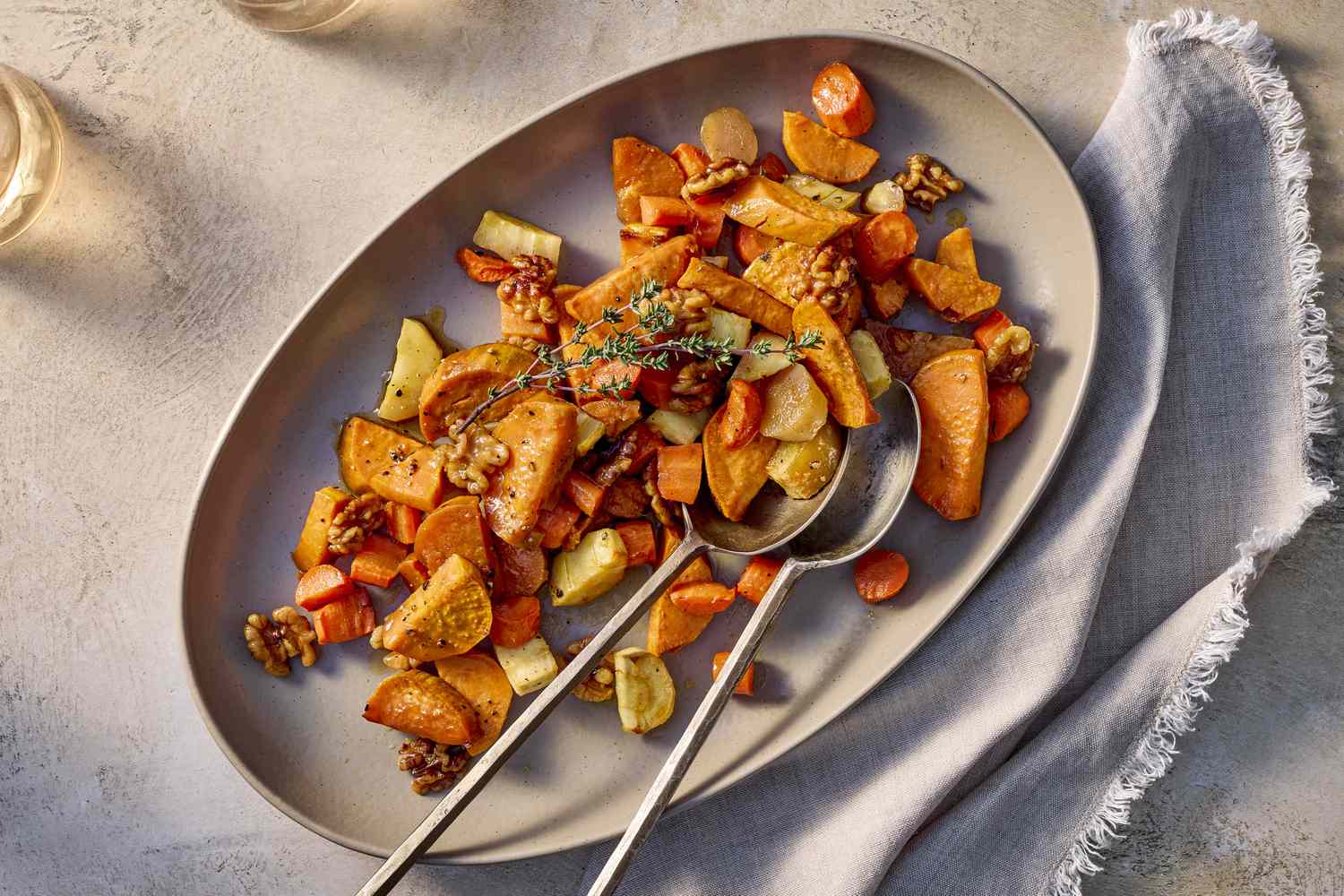
Perfect Honey Roasted Root Vegetables & Squash: Sweet, Tender & Caramelized Perfection
Imagine a dish that effortlessly transports you to a cozy, rustic setting – perhaps a warm tavern feast or a celebratory harvest dinner. That's the magic of
honey roasted root vegetables and squash. This delightful medley brings together the earthy goodness of root vegetables with the natural sweetness of winter squash, all elevated by a golden honey glaze and fragrant herbs. It's a culinary experience that’s both wonderfully simple and profoundly satisfying, delivering an exquisite balance of sweet, tender interiors and deeply caramelized edges. Whether you're a seasoned home cook or just starting your culinary journey, mastering this dish promises a show-stopping side that's perfect for any occasion, from weeknight meals to grand holiday tables.
This humble dish celebrates wholesome ingredients, transforming them through the simple act of roasting. The heat of the oven coaxes out their natural sugars, creating a depth of flavor that's truly extraordinary. When combined with the luscious sweetness of honey and the aromatic kiss of fresh herbs, these vegetables become an irresistible symphony of textures and tastes. It’s a dish that feels timeless, comforting, and utterly delicious – a testament to how uncomplicated ingredients can yield the most spectacular results.
The Magic Behind Perfectly Roasted Root Vegetables and Squash
Root vegetables have been staples in kitchens around the world for centuries, cherished for their robust flavors, nutritional value, and excellent storage capabilities. Carrots, parsnips, sweet potatoes, and onions have long formed the foundation of comforting meals. When we introduce seasonal squash – think butternut, acorn, or delicata – the dish gains an additional layer of sweetness, color, and creamy texture, making the combination of
honey roasted root vegetables and squash an unbeatable pairing. These natural treasures, often overlooked, truly shine when given the star treatment of high-heat roasting.
The secret to their irresistible appeal lies in the caramelization process, a culinary phenomenon known as the Maillard reaction. As the vegetables roast in a hot oven, their natural sugars break down and brown, creating those coveted golden-brown edges and a profoundly complex, sweet-savory flavor. The honey glaze isn't just for sweetness; it actively aids this caramelization, clinging to the vegetable surfaces and creating an even richer, stickier crust. This transformation turns simple vegetables into something truly extraordinary: crispy on the outside, incredibly tender within, and bursting with a concentrated sweetness that is both rustic and refined. This approach to cooking vegetables not only enhances their natural deliciousness but also makes them a highly appealing and nutritious component of any meal. For more insights into creating flavorful vegetable dishes, consider exploring
Honey Roasted Root Vegetables: A Rustic & Flavorful Side Dish.
Mastering the Art: Key Steps for Sweet, Tender & Caramelized Perfection
Achieving that perfect balance of sweetness, tenderness, and caramelization in your
honey roasted root vegetables and squash is simpler than you might think, but a few key techniques make all the difference.
Choosing Your Bounty: Selection Tips
Start with the freshest, highest-quality produce you can find. Look for firm, blemish-free root vegetables like carrots, parsnips, and sweet potatoes. For squash, select varieties like butternut, acorn, delicata, or even kabocha, ensuring they feel heavy for their size and have no soft spots. A mix of colors and textures not only enhances the visual appeal but also contributes to a richer flavor profile. Don't shy away from incorporating red onions or shallots for an added savory-sweet kick.
Preparation Prowess: Uniformity is Key
This is arguably the most critical step for even cooking. Cut all your vegetables and squash into roughly uniform pieces, ideally 1-inch to 1.5-inch cubes or thick slices. If pieces are too varied in size, smaller ones will burn while larger ones remain undercooked. For instance, denser vegetables like potatoes and parsnips might need slightly smaller pieces than softer ones like sweet potatoes or squash. Peel everything that needs peeling (carrots, parsnips, butternut squash) and leave thinner-skinned options (delicata squash, sweet potatoes) unpeeled for extra texture and nutrients.
The Right Roasting Environment: Heat & Space
Preheat your oven to a high temperature, typically between 400°F (200°C) and 425°F (220°C). This high heat is essential for achieving proper caramelization and crisp edges, rather than just steaming the vegetables. Next, ensure you don't overcrowd the baking sheet. If there are too many vegetables in a single layer, they will release moisture and steam each other, leading to a soggy rather than roasted outcome. Use two baking sheets if necessary, giving the vegetables plenty of breathing room. A thin coating of olive oil ensures even heat distribution and helps with browning.
The Sweet Finish: Honey & Herb Application
While some recipes suggest tossing honey with the vegetables from the start, we recommend adding the honey glaze about halfway through the roasting process, or even closer to the end. This prevents the honey from burning and allows the vegetables to develop their initial caramelized crust. Once the vegetables are tender and starting to brown, drizzle generously with honey and toss to coat. Continue roasting until beautifully glazed and sticky. Finally, for the most vibrant flavor and aroma, add fresh herbs like rosemary, thyme, or sage *after* the vegetables are out of the oven. The residual heat will gently warm them, releasing their essential oils without wilting or burning them.
Creative Variations and Ideal Pairings
The beauty of
honey roasted root vegetables and squash lies in its versatility. Once you've mastered the basic technique, feel free to experiment with different ingredients and flavor profiles to suit your taste or what's in season.
Beyond the Basics: Swapping Veggies & Sweeteners
*
Root Vegetable Roster: Expand beyond the usual suspects! Consider adding beets for a vibrant color and earthy sweetness, turnips for a peppery bite, or even celeriac for a subtle nutty flavor.
*
Squash Selection: Butternut, acorn, delicata, kabocha – each offers a slightly different texture and sweetness. Delicata squash, for instance, has an edible skin, saving you peeling time.
*
Sweetener Alternatives: While honey is a classic, pure maple syrup offers a richer, more complex sweetness that pairs beautifully with fall and winter flavors. A touch of balsamic glaze can also add an interesting tangy counterpoint.
*
Spice it Up: Don't limit yourself to just salt and pepper. A pinch of smoked paprika can add depth, cinnamon or nutmeg can enhance the sweetness of squash, and a dash of cayenne pepper can introduce a subtle warmth.
Aromatic Enhancements: Herbs & Spices
Fresh herbs truly elevate this dish. Rosemary, thyme, and sage are timeless choices, lending an herbaceous, almost woodsy aroma that complements the sweetness. For a more pungent kick, consider adding whole garlic cloves (peeled) to the roasting pan from the start; they'll mellow and sweeten beautifully. A sprinkle of fresh parsley or chives after roasting adds a fresh, bright finish.
Serving Suggestions: From Simple Suppers to Holiday Feasts
These versatile
honey roasted root vegetables and squash are a perfect companion to a wide array of main courses. They shine alongside:
* **Roasted Meats:** Think roast chicken, turkey, pork loin, or beef tenderloin. The sweetness cuts through the richness of the meat beautifully.
* **Hearty Grain Dishes:** Serve them alongside quinoa, farro, or a wild rice pilaf for a fulfilling vegetarian meal.
* **Fish:** The sweetness pairs surprisingly well with pan-seared or baked salmon.
* **As a Main Course:** For a lighter, rustic meal, simply serve a generous portion of the vegetables with a sprinkle of feta or goat cheese, and perhaps some toasted nuts for crunch.
This dish is especially welcome as the days grow shorter and temperatures drop. For more seasonal inspiration, check out
Cozy Comfort: Honey Roasted Root Vegetables for Fall & Winter.
Tips for Success and Common Pitfalls to Avoid
Even with simple recipes, knowing a few tricks can elevate your results and help you steer clear of common culinary missteps.
*
Don't Skimp on Oil: While you don't want to drown your vegetables, a sufficient coating of olive oil is crucial. It helps with even browning, prevents sticking, and aids in the caramelization process. Aim for just enough to lightly coat all pieces without pooling at the bottom of the pan.
*
The Single Layer Rule: Reiterating this point because it's so important! Overcrowding is the enemy of truly roasted vegetables. If they're piled high, they'll steam in their own moisture instead of developing those coveted crispy, caramelized edges. When in doubt, use two baking sheets.
*
Season Liberally: Vegetables, especially root vegetables, can handle a generous amount of salt and pepper. Season before roasting, and you can always adjust again after.
*
Mind the Moisture: If your vegetables seem too wet (e.g., just washed), pat them dry with a paper towel before tossing with oil and seasonings. Excess surface moisture inhibits browning.
*
Resting Time: Just like meat, giving your vegetables a few minutes to rest after coming out of the oven allows their internal temperatures to equalize and flavors to meld, often making them even more tender.
*
Make-Ahead & Storage: These vegetables are best enjoyed fresh, but leftovers can be stored in an airtight container in the refrigerator for 3-4 days. Reheat gently in the oven or an air fryer to help regain some of their crispness, or enjoy them cold in salads. Avoid reheating in the microwave if you want to preserve texture.
Conclusion
From their rustic charm inspired by medieval feasts to their comforting presence on a modern holiday table, honey roasted root vegetables and squash embody a delicious simplicity. This dish is a celebration of nature's bounty, transformed by the magic of the oven into sweet, tender, and deeply caramelized perfection. By following a few key principles – uniform cutting, proper oven temperature, ample space, and strategic honey and herb application – you can effortlessly create a side dish that's not only incredibly flavorful but also visually stunning. Whether served alongside a grand roast or enjoyed as a wholesome vegetarian centerpiece, these honey roasted root vegetables and squash promise a delightful culinary experience that will warm hearts and satisfy appetites. Embrace the seasons, experiment with your favorite vegetables, and savor the simple joy of perfectly roasted goodness.